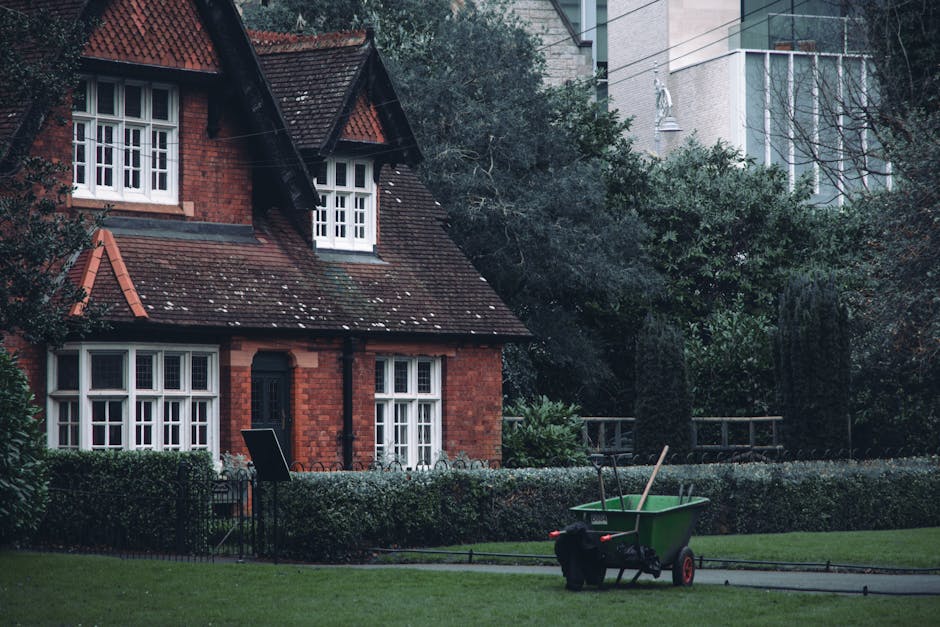
Fortis Green gardener for small front gardens Muswell Hill

If you live near Fortis Green and your front garden is more of a narrow welcome mat than a sprawling lawn, you already know the challenge. A small front garden has to work hard: it should look tidy from the pavement, feel inviting at the front door, and still be easy to maintain when life gets busy. That is exactly where a Fortis Green gardener for small front gardens Muswell Hill can make a real difference.
Small front gardens can be surprisingly demanding. One week the hedge looks overgrown, the next the lawn patch has gone thin, and somehow the whole space ends up looking a bit tired. Truth be told, these gardens often need more thoughtful attention than larger ones because every detail is visible. In this guide, you will find practical advice on what a local gardener does, how the process works, what to expect, and how to keep a compact front garden looking smart without overcomplicating it.
Whether you want simple maintenance, a better seasonal plan, or a more polished entrance that suits your home, this article breaks it down in plain English. No fluff. Just useful guidance for real homes in Muswell Hill.
Why Fortis Green gardener for small front gardens Muswell Hill Matters
Front gardens shape the first impression of a home. In Fortis Green and the wider Muswell Hill area, many properties have compact front plots, short paths, boundary planting, and a mix of paving, shrubs, pots, and small lawn sections. That size might sound manageable, but compact spaces reveal problems quickly. A few weeds, a hedge left one season too long, or some awkward pruning can make the whole entrance look neglected.
A local gardener understands the specific balance small front gardens need. You usually want structure without clutter, softness without overgrowth, and neatness without stripping away character. That balance matters even more on a street where neighbours, visitors, and passers-by see the front of the property every day. A tidy front garden can quietly lift the whole house.
There is also a practical side. Small gardens can become slippery, overcrowded, or blocked by leaf fall and dead growth. If the space is used for bins, bikes, or simple access to the house, a poor layout becomes annoying very fast. A good gardener helps the space stay useful, not just pretty. And that is the point, really.
If your front garden needs more than a quick tidy-up, it can help to look at broader support such as garden maintenance or, where the space has become messy after a long gap, garden clearance. For homes that need a wider refresh, landscape gardening and landscaping can also be worth considering.
How Fortis Green gardener for small front gardens Muswell Hill Works
The process is usually straightforward, but the best results come from a gardener who pays attention to the small stuff. That means looking at how the garden is used, what the light is like, which plants are thriving, and which areas are creating extra work. In a compact front garden, one messy corner can dominate the whole picture. You notice it every time you open the door.
Most jobs begin with a quick assessment. The gardener checks the condition of the lawn or paving, trims back overgrowth, removes weeds, shapes hedges or shrubs, and identifies anything that needs seasonal care. In many cases, the work is a blend of regular maintenance and light improvement. Sometimes the garden just needs a proper reset. Sometimes it needs discipline more than design.
For small front gardens, efficiency matters. A sensible gardener will avoid overworking the space and will choose methods that suit the size of the plot. For example, heavy planting can make a tiny garden feel cramped, while hard pruning at the wrong time can leave it bare and awkward. The job is not just cutting things back. It is making decisions that keep the garden looking good over time.
If hedges are part of the frontage, hedge trimming is often one of the key tasks. If the garden includes a small grass area, regular lawn mowing helps keep the entrance crisp rather than patchy. And if there are trees crowding light or dropping too much debris, tree lopping and removal may be part of the discussion, though always handled with care.
Key Benefits and Practical Advantages
A well-managed small front garden does more than look pleasant. It makes daily life easier. It reduces the chance of overgrowth taking over paths and walls. It can improve visibility at the entrance, which is useful for comfort as well as access. And yes, it can make the property feel more cared for without needing a full redesign.
- Better kerb appeal: The front of the house feels fresh and orderly.
- Less ongoing effort: A neat, simple layout is easier to maintain week after week.
- Improved access: Paths, steps, and gates stay clear and practical.
- Healthier planting: Correct pruning and spacing help plants breathe and grow better.
- Fewer surprises: A regular gardener spots issues before they become larger jobs.
There is a quieter benefit too: peace of mind. You stop worrying that the front of the house looks untidy every time someone visits. That sounds small, but it matters. People often underestimate the mental lift of opening the door to a front garden that simply looks under control. Small win, big difference.
Some homeowners also like to tie in other services where needed, such as decking services for compact sitting spaces or a simple refresh to existing paved areas. If sustainability matters to you, the company's recycling and sustainability approach may also be relevant when cuttings and waste need to be handled responsibly.
Who This Is For and When It Makes Sense
This kind of service suits a wide range of people, and not just homeowners who love gardening. In fact, many customers simply want the front of their property to stay presentable without spending every weekend on it. If that sounds familiar, you are in the right place.
It usually makes sense if you:
- have a small front garden that is easy to overlook but very visible;
- need regular tidying rather than a major redesign;
- want a cleaner, simpler layout around a narrow entrance;
- have shrubs or hedges that keep growing faster than you can keep up with;
- are preparing a home for sale, rental, or a visit from family;
- prefer a local gardener who understands the pace and style of Muswell Hill homes.
It also makes sense after the seasons change. Autumn leaves, winter damp, spring growth spurts, and summer dry spells can all affect small gardens quickly. One wet week and suddenly the path has moss, the pots look tired, and the whole frontage feels a bit forgotten. Not dramatic, just annoying. A gardener can keep that from snowballing.
Step-by-Step Guidance
If you are planning work on a small front garden in Fortis Green, a clear process helps you avoid wasted time and unnecessary spending. Here is the sensible way to approach it.
- Look at the space honestly. What needs cutting, cleaning, reshaping, or replacing? Stand at the pavement and look at the garden as a visitor would.
- Decide the purpose. Do you want low maintenance, a tidier look, more planting, or a small design refresh?
- Check the trouble spots. This might be a hedge blocking the path, a lawn edge that has disappeared, or pots that have become a catch-all for clutter.
- Choose the right level of help. Some gardens need regular maintenance. Others need a one-off reset before ongoing care can work properly.
- Ask for practical suggestions. A good gardener will tell you what to keep, what to cut back, and what is likely to cause extra work later.
- Set a repeat schedule. For small front gardens, light but regular care usually beats large occasional clear-ups.
A useful little habit: take a couple of photos before work starts. Then after the first tidy-up, compare them. You will often spot how much visual clutter was actually hidden in plain sight. Tiny space, big impact.
If the garden is beyond a simple tidy and needs a broader maintenance plan, the services overview at services overview is a good starting point for understanding how different jobs fit together. Pricing questions are often clearer too when you check pricing and quotes.
Expert Tips for Better Results
Small front gardens reward restraint. That may sound dull, but it is often the difference between a space that looks calm and one that feels busy for no good reason. A few thoughtful choices go a long way.
- Keep planting simple. Use fewer varieties and repeat them for a more coherent look.
- Prioritise edges. Crisp borders and clean path lines make the whole garden look neater.
- Trim for shape, not just size. A hedge or shrub should look intentional, not merely shorter.
- Leave room for access. Gates, bins, and steps need breathing room.
- Use mulch carefully. It can reduce weeds and improve appearance, but too much in a small space can look heavy.
- Think seasonally. What looks balanced in May may feel crowded by August.
In our experience, the best front gardens in this part of London are not the most elaborate ones. They are the ones that feel calm, balanced, and obvious in a good way. You glance at them and think, yes, that works. No drama. No fuss.
It also helps to choose a gardener who respects the existing character of the home. Fortis Green and Muswell Hill have a lot of personality in the architecture alone, so the garden should support that rather than fight it. A neat, modest frontage often suits the property better than a packed display.
Common Mistakes to Avoid
Small gardens can go wrong in very predictable ways. The good news is that most mistakes are easy to avoid once you know what to look for.
- Overplanting: Too many plants make a small space feel crowded and harder to maintain.
- Ignoring the front path: A beautiful border means little if the path is messy or slippery.
- Cutting too much at once: Heavy pruning can leave shrubs looking blunt and awkward.
- Using the wrong scale: Large plants or bulky features can overwhelm a compact frontage.
- Letting maintenance drift: Small gardens change fast. A few missed months can be enough to create a bigger job.
- Chasing trends blindly: Not every stylish idea works on a narrow London front garden. Some look lovely online and a bit silly in real life. There, said it.
A final one to watch: forgetting drainage and surface condition. If water sits on paving, or soil keeps washing into the path, the space will never quite feel tidy. That needs practical attention, not just more plants.
Tools, Resources and Recommendations
A skilled gardener will bring the right tools, but it helps to understand what is typically used in a small front garden. You do not need to own everything yourself, of course, but knowing the basics helps you judge the quality of the work.
| Task | Typical tools or materials | Why it matters |
|---|---|---|
| General tidy-up | Hand tools, bags, shears, pruners | Useful for precise work in tight spaces |
| Hedge and shrub shaping | Hedge trimmers, secateurs, loppers | Helps keep form neat without damaging growth |
| Lawn care | Mower, edging tools, rake | Improves appearance and prevents the lawn looking ragged |
| Clearance work | Waste sacks, barrows, cutting tools | Makes it easier to restore neglected spaces |
| Longer-term improvement | Soil improvers, planting materials, paving or edging materials | Supports a more durable, easier-to-manage layout |
When waste disposal is part of the job, it is sensible to ask how green waste and mixed debris will be handled. The company's insurance and safety and health and safety policy pages can help reassure you that work is being approached responsibly. If you want to know more about the business itself, the about us page is also useful for background.
Law, Compliance, Standards, or Best Practice
For most small front garden jobs, the key point is not legal complexity but sensible best practice. Still, there are a few areas where care matters. If work involves trees, access routes, shared boundaries, or waste removal, it should be handled carefully and in line with normal UK standards of good practice.
As a homeowner, you generally want any gardener to work safely, avoid damage to neighbouring property, and dispose of waste appropriately. If there are tree issues, it is especially sensible to treat them cautiously, because tree work can affect light, access, and nearby structures. For larger or riskier jobs, a careful professional will explain what can be done and what should be left alone or referred onward. That cautious approach is a good sign, not a bad one.
Trust matters here. You are inviting someone to work near your home, paths, and boundary walls. So a clear approach to safety, communication, and pricing is not a luxury. It is basic professionalism. If you are comparing providers, checking the company's terms and conditions and payment and security information is just sensible due diligence.
Options, Methods, or Comparison Table
Not every small front garden needs the same level of service. The right choice depends on how much time you want to spend, how tidy the garden currently is, and whether you need a one-off intervention or ongoing care.
| Option | Best for | Pros | Trade-off |
|---|---|---|---|
| Light maintenance visit | Already tidy front gardens needing regular upkeep | Quick, efficient, cost-conscious | Limited improvement if the space is neglected |
| One-off tidy and reset | Gardens that have drifted into mess or overgrowth | Fast visual impact, clears the backlog | May need follow-up visits to stay looking good |
| Ongoing garden maintenance | Homeowners who want the frontage always presentable | Predictable, low-stress, easier long-term | Requires routine scheduling |
| Layout refresh or landscaping | Gardens that need functional improvement as well as tidying | Can solve recurring problems and improve flow | More planning required |
For many people, the best route is a tidy reset first, then a lighter maintenance plan afterwards. That is often the most realistic option, especially with a compact space where small changes show quickly.
Case Study or Real-World Example
Here is a typical scenario. A homeowner in Fortis Green has a narrow front garden with a small lawn strip, two shrubs by the bay window, a hedge along the boundary, and paving to the door. Over time, the hedge has started leaning into the path, the lawn edge has disappeared, and weeds have taken hold around the steps. Nothing disastrous. Just steadily untidy.
A gardener arrives, clears the debris, reshapes the hedge, edges the lawn, removes the weeds, and redefines the borders so the whole front feels open again. The front door suddenly looks bigger. The path feels safer. The planting is still there, but now it frames the house instead of crowding it. That is the kind of transformation that works well in small spaces.
What usually surprises people is not the amount of work, but the visual effect. A half-day of proper care can make the home look cared for from the street in a way that daily tidying never quite achieves. The improvement is subtle, then obvious. You know the feeling when something just looks right? That.
Practical Checklist
Use this checklist before booking work for a small front garden in Muswell Hill:
- Walk to the pavement and view the garden as a visitor would.
- List the main issues: weeds, hedge growth, lawn patches, clutter, poor access, tired planting.
- Decide whether you need maintenance, clearance, or a layout refresh.
- Check if there are trees, steep steps, or shared boundaries that need extra care.
- Think about how much time you want to spend maintaining the space afterwards.
- Ask what will happen to green waste and cuttings.
- Confirm whether the work is one-off or part of an ongoing plan.
- Make sure the result suits the house style and the size of the frontage.
- Review the company's service information, including complaints procedure if you value clear customer support.
- Choose the option that keeps the garden manageable, not just attractive for one week.
Get a free quote today and see how much you can save.
Conclusion
A small front garden can be one of the most rewarding parts of a home to improve. It does not need a huge budget or a dramatic redesign. It needs attention, restraint, and a plan that suits the space in front of you. That is why working with a Fortis Green gardener for small front gardens Muswell Hill makes sense for so many homeowners: the job is local, practical, and quietly transformative.
If you keep the layout simple, maintain the edges, and deal with growth before it gets out of hand, the front of your home will stay welcoming without becoming another weekend chore. And honestly, that is a very nice thing to have. A neat front garden is a small everyday comfort, but it really does lift the mood when you come home.
For anyone ready to turn a compact, slightly awkward frontage into something easy to live with, the next step is straightforward: get advice, choose the right level of care, and start with the work that will make the biggest visible difference. One tidy visit can do more than you think.
Frequently Asked Questions
What does a gardener for a small front garden actually do?
They usually handle the jobs that keep a compact frontage neat and manageable: weeding, hedge trimming, edging, pruning, mowing, clearing debris, and making sure the space still feels open and usable.
How often should a small front garden in Muswell Hill be maintained?
That depends on planting and how quickly the garden grows, but many small front gardens benefit from light, regular attention rather than occasional heavy work. A monthly or seasonal rhythm often works well.
Is a small front garden cheaper to maintain than a larger one?
Usually, yes, but not always by a huge amount. Small gardens can be fiddly, and fiddly takes time. Tight access, detailed edging, and compact planting can make the job more intricate than people expect.
What if my front garden is neglected and overgrown?
That is where a one-off clearance or reset is helpful. Once the space is under control, it becomes much easier to move into lighter ongoing maintenance.
Can a gardener help make a small front garden look bigger?
Yes. Simple planting, clean lines, balanced pruning, and reduced clutter can all make a small space feel more open. The trick is to avoid overcrowding and keep the eye moving.
Do I need landscaping or just maintenance?
If the basic structure is fine, maintenance may be enough. If the layout is awkward, access is poor, or the space keeps causing problems, then a modest landscaping change may be the better choice.
What should I ask before booking a gardener?
Ask what is included, how waste will be handled, whether the work is one-off or ongoing, and what the likely outcome will be. A good gardener should explain things clearly without hiding behind jargon.
Can hedge trimming make a big difference to a small frontage?
Absolutely. In a small garden, a hedge that is even slightly too wide or too tall can dominate the whole space. A proper trim often changes the look of the front more than people expect.
What is the best way to keep a front garden low maintenance?
Keep the planting simple, use clear borders, avoid crowding the space, and choose a maintenance routine that stops small problems from building up. Low maintenance is more about design discipline than doing nothing.
Should I worry about safety or insurance when hiring a gardener?
Yes, it is sensible to check. Any professional working around paths, steps, tools, and boundaries should approach the job safely and responsibly. If you are unsure, review the company's insurance and safety information first.
What if I only need a one-off tidy-up?
That is completely normal. Many people want a reset before a party, sale, family visit, or simply because the garden has got away from them a bit. One-off work can be a very practical first step.
How do I choose the right local service in Fortis Green or Muswell Hill?
Look for clear service descriptions, sensible pricing information, a practical approach to small spaces, and a style that fits your home. It helps when the provider understands local gardens rather than treating every job the same.
Can a front garden be improved without a full redesign?
Yes, very often. Small changes like better edging, selective pruning, tidier borders, and smarter maintenance can make the frontage feel significantly better without major building work.
Where can I find more information about the company and policies?
You can review the company background on the about us page and check practical details such as pricing and quotes, payment and security, and the terms and conditions. That gives a clearer picture before you decide.